Document Automation
5 Ways Document Automation Reduces Filing Errors for Immigration Attorneys
January 22, 2026Read

In the complex and ever-evolving landscape of U.S. immigration law, Request for Evidence (RFE) notices from USCIS represent a significant hurdle for law firms and their clients. RFEs can delay case processing, increase administrative burden, and, in some instances, lead to case denials. For managing partners and immigration attorneys, reducing RFE rates is not just about efficiency; it's about client satisfaction, firm reputation, and ultimately, success in a highly competitive field. The key to mitigating this challenge often lies in meticulous document preparation and validation.
RFEs are issued when USCIS determines that initial evidence submitted with a petition or application is insufficient, missing, or unclear. Common reasons include discrepancies in information, lack of supporting documentation, or outdated forms. Each RFE triggers a cascade of additional work: attorneys must review the RFE, communicate with clients, gather new evidence, and resubmit the application, all within strict deadlines. This process consumes valuable time and resources, diverting attention from new cases and potentially impacting the firm's bottom line.
A study by the American Immigration Lawyers Association (AILA) indicated that RFEs can add an average of 3-6 months to case processing times, significantly impacting clients' lives and plans.
The financial implications are also substantial. Increased attorney hours spent on RFE responses translate to higher operational costs, which may or may not be billable to the client, depending on the fee structure. Moreover, a high RFE rate can erode client trust and make it harder to attract new business. Therefore, proactively addressing the root causes of RFEs is paramount for any immigration law firm aiming for sustained growth and efficiency.
The most effective strategy to reduce RFE immigration rates is to ensure that every application submitted to USCIS is complete, accurate, and compliant with the latest regulations. This is where automated document validation becomes indispensable. Manual review processes, while thorough, are prone to human error, especially given the sheer volume and complexity of immigration paperwork. Automated systems, conversely, can perform rapid, comprehensive checks that significantly enhance accuracy.
Implementing such a system transforms the document preparation process from a reactive, error-prone task into a proactive, precision-driven operation. This not only helps to reduce RFE immigration rates but also streamlines workflows and frees up legal professionals to focus on strategic legal work rather than administrative minutiae.
For immigration law firms, selecting a document validation solution requires careful consideration of features that directly address USCIS requirements and operational challenges. Two critical features stand out:
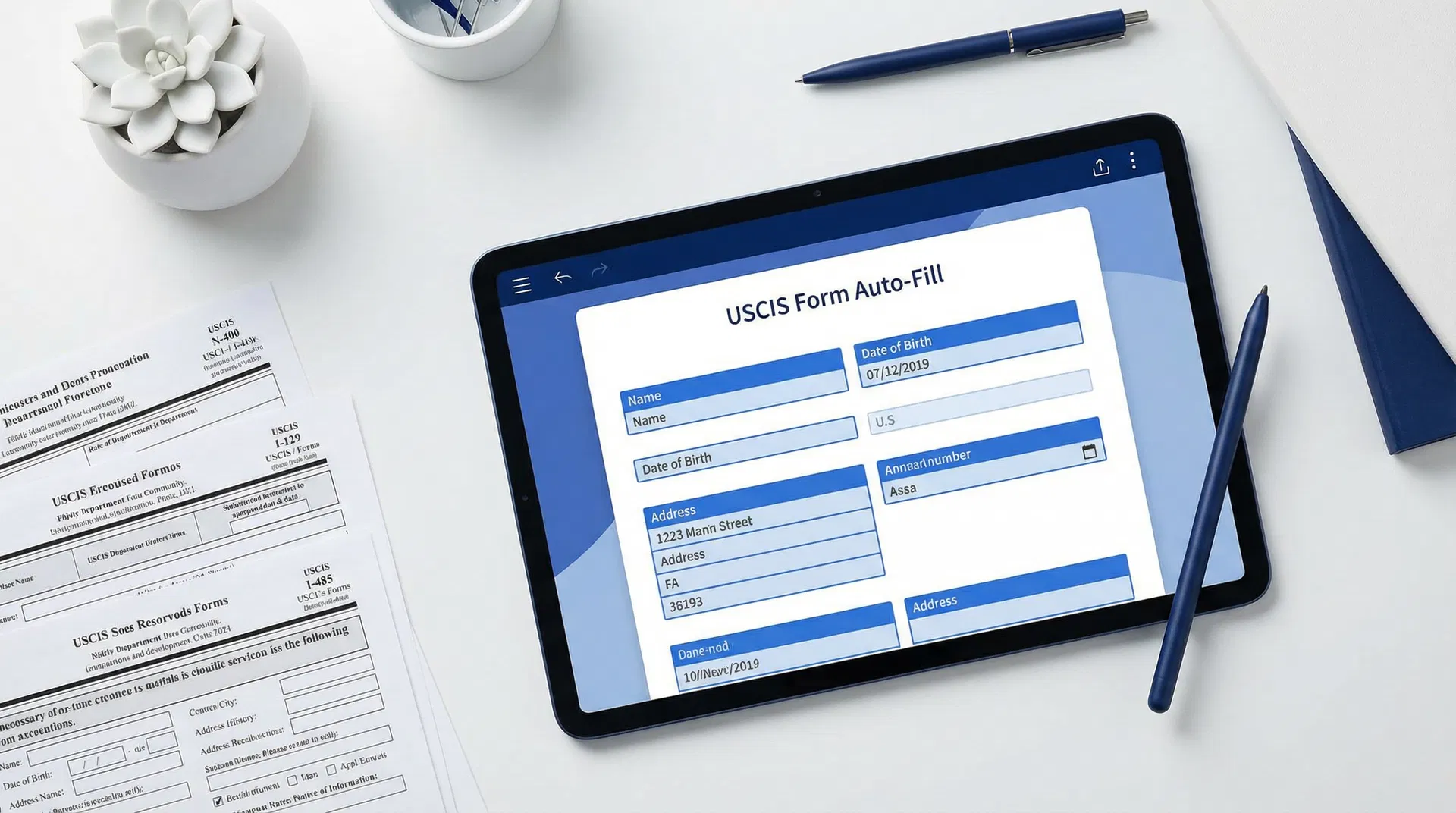
Advanced Document Automation capabilities are at the heart of effective RFE reduction. This involves more than just filling out forms; it encompasses the intelligent management and generation of all case-related documents. Systems that offer reusable templates and auto-filling of USCIS forms (such as N-400, I-129, I-485) based on client data significantly reduce the potential for errors. This ensures that once client information is entered, it is accurately propagated across all necessary documents, minimizing manual data entry and the associated risks.
One of the most common reasons for RFEs or even outright rejections is the submission of outdated USCIS forms. The agency frequently revises its forms, and keeping track of these changes manually is a constant challenge. A robust document validation system must include Dynamic USCIS Form Versioning. This feature automatically detects new form versions and updates, ensuring that attorneys are always working with the latest official documents. Crucially, it also includes field validation, which guides users to complete forms correctly according to current USCIS instructions, preventing common mistakes that trigger RFEs.
While the primary goal of automated document validation is to reduce RFE immigration rates, the benefits extend far beyond this immediate objective. Firms that adopt these technologies experience:
Adopting automated document validation doesn't have to be a daunting task. Many solutions are designed for seamless integration into existing workflows. The key is to choose a platform that is intuitive, comprehensive, and specifically tailored to the needs of immigration law. Training staff on the new system is crucial to maximize its benefits and ensure a smooth transition.
For firms looking to significantly reduce RFE immigration rates and enhance their operational efficiency, exploring advanced technology solutions is no longer optional—it's a necessity. Platforms that combine intelligent document automation with dynamic form versioning offer a powerful defense against the complexities of USCIS requirements.
To learn more about how technology can transform your immigration practice and help you achieve lower RFE rates, visit legistai.com/features. Discover how LegistAI’s comprehensive suite of tools, including intelligent document automation and dynamic USCIS form versioning, can empower your firm to navigate the intricacies of immigration law with unparalleled precision and efficiency.
Related Articles: