
Back to all articles
Case Management
The Real Cost of Missed Deadlines in Immigration Cases (And How to Prevent Them)
January 27, 20266 min readAI Immigration Tools
The Real Cost of Missed Deadlines in Immigration Cases (And How to Prevent Them)
In the high-stakes world of U.S. immigration law, a missed deadline isn't just a minor oversight; it can be a catastrophic event. For law firms and their clients, the consequences range from financial penalties and case delays to outright denials and even deportation. Effective immigration deadline management is not merely a best practice—it's a critical component of successful legal representation. This article delves into the tangible and intangible costs associated with missed deadlines and outlines practical strategies, powered by advanced case management software, to safeguard your firm and your clients.
The repercussions of failing to meet an immigration deadline are multifaceted, impacting both the firm's bottom line and its reputation, as well as the client's future. These costs can be broadly categorized:
Financial Penalties and Lost Revenue
- Filing Fees and Re-filing Costs: A missed deadline often necessitates re-filing petitions, incurring additional USCIS fees, which can be substantial. For instance, an I-129 petition for a nonimmigrant worker can cost upwards of $460, and re-filing due to a missed response deadline means doubling that expense for the client.
- Increased Administrative Burden: Reopening or re-filing a case consumes valuable attorney and paralegal time. This translates to unbillable hours spent rectifying errors, diverting resources from new, revenue-generating cases.
- Client Refunds and Malpractice Claims: In severe cases, firms may face demands for refunds or, worse, malpractice lawsuits, which carry significant financial and reputational damage.
Case Delays and Denials
- Prolonged Uncertainty for Clients: Every delay extends the period of anxiety and uncertainty for clients, impacting their ability to work, travel, or remain in the U.S. legally.
- Loss of Status or Deportation: For individuals nearing the end of their authorized stay, a missed deadline for an extension or adjustment of status can lead to loss of legal status, accruing unlawful presence, and even initiation of removal proceedings.
- Impact on Business Operations: For corporate clients, delays in securing visas for critical employees can halt projects, disrupt operations, and lead to significant economic losses.
A recent study indicated that approximately 15% of all immigration case delays could be attributed to preventable administrative errors, with missed deadlines being a primary factor. This translates to millions of dollars in lost productivity and increased legal costs annually across the U.S. immigration system.
The good news is that most missed deadlines are preventable with the right systems and tools in place. Modern case management software offers robust features designed to streamline workflows and ensure critical dates are never overlooked. Firms transitioning from manual processes or generic tools to specialized solutions often see dramatic improvements in efficiency and compliance. For a deeper dive into how technology is transforming the field, consider reading our article on how AI is reshaping immigration law.
Structured Matters with Owners, Checklists, and Deadlines
Effective immigration deadline management begins with a structured approach to every case. Advanced case management platforms allow firms to:
- Assign Clear Ownership: Each case, and specific tasks within it, can be assigned to a responsible attorney or paralegal, ensuring accountability.
- Implement Comprehensive Checklists: Customizable checklists for each case type (e.g., H-1B, Green Card, Asylum) ensure all necessary steps are followed, from initial client intake to final filing.
- Automate Deadline Calculation: Based on USCIS receipt dates, RFE response times, or court hearing schedules, the software automatically calculates and populates critical deadlines, reducing human error.
Workflow Automation and Task Management
Beyond simple reminders, sophisticated case management software integrates workflow automation to guide cases seamlessly through their lifecycle. This includes:
- Customizable Templates by Case Type: Firms can create templates for various immigration processes, pre-defining tasks, documents required, and associated deadlines. This ensures consistency and reduces the risk of overlooking steps.
- Automatic Task Assignment: As a case progresses, tasks can be automatically assigned to team members based on predefined rules, ensuring that the right person is working on the right task at the right time.
- Multi-Step Sequences: Complex processes can be broken down into multi-step sequences, with each step triggering the next upon completion, maintaining momentum and preventing bottlenecks.
For firms looking to optimize their internal processes, understanding the nuances of workflow automation for small immigration firms can provide valuable insights.
Robust Reporting and Audit Trails
Transparency and accountability are paramount in immigration law. Modern solutions provide:
- Real-time Reporting: Dashboards offer an immediate overview of all active cases, upcoming deadlines, and team workload, allowing managing partners to identify potential issues before they escalate.
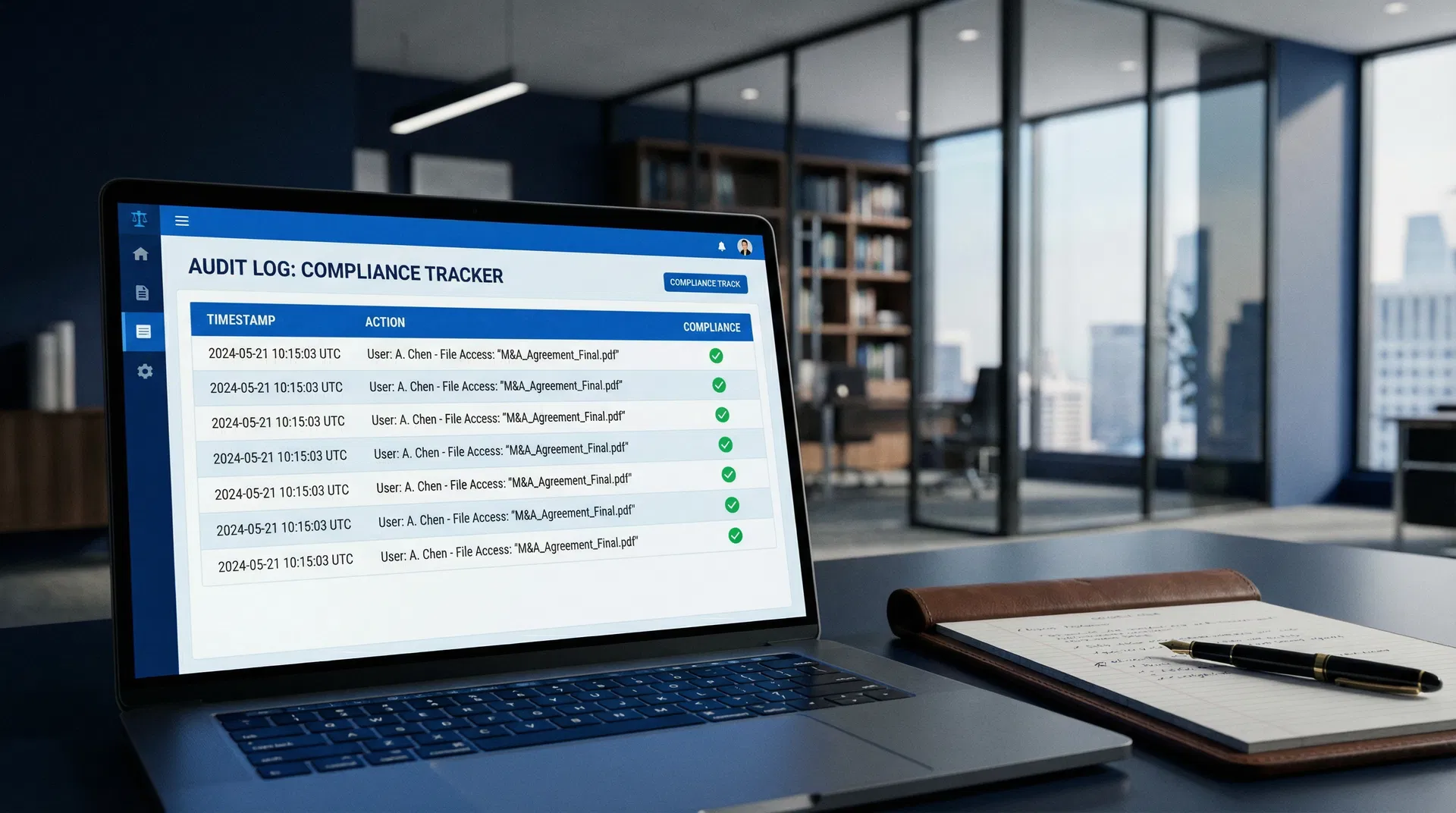
- Defensible Audit Records: Every action, modification, and communication within a case is logged, creating an immutable audit trail. This is invaluable for compliance, internal reviews, and defending against potential malpractice claims.
- Role-Based Access Control (RBAC): Ensures that only authorized personnel can access or modify sensitive case information, enhancing data security and integrity.
The real cost of missed deadlines in immigration cases extends far beyond immediate financial penalties. It erodes client trust, damages firm reputation, and can have life-altering consequences for individuals. By embracing advanced case management software, immigration law firms can transform their immigration deadline management from a reactive struggle into a proactive, systematic process. Solutions like LegistAI offer comprehensive features, including structured matters with owners, checklists, and deadlines, robust workflow automation, and defensible audit trails, empowering firms to navigate the complexities of immigration law with confidence and precision. Explore how LegistAI can safeguard your practice and enhance client outcomes by visiting legistai.com/features.
Topics:immigration deadline managementcase management software
Related Articles

Automation
How Workflow Automation Helps Small Immigration Firms Compete with Big Ones
February 13, 2026Read