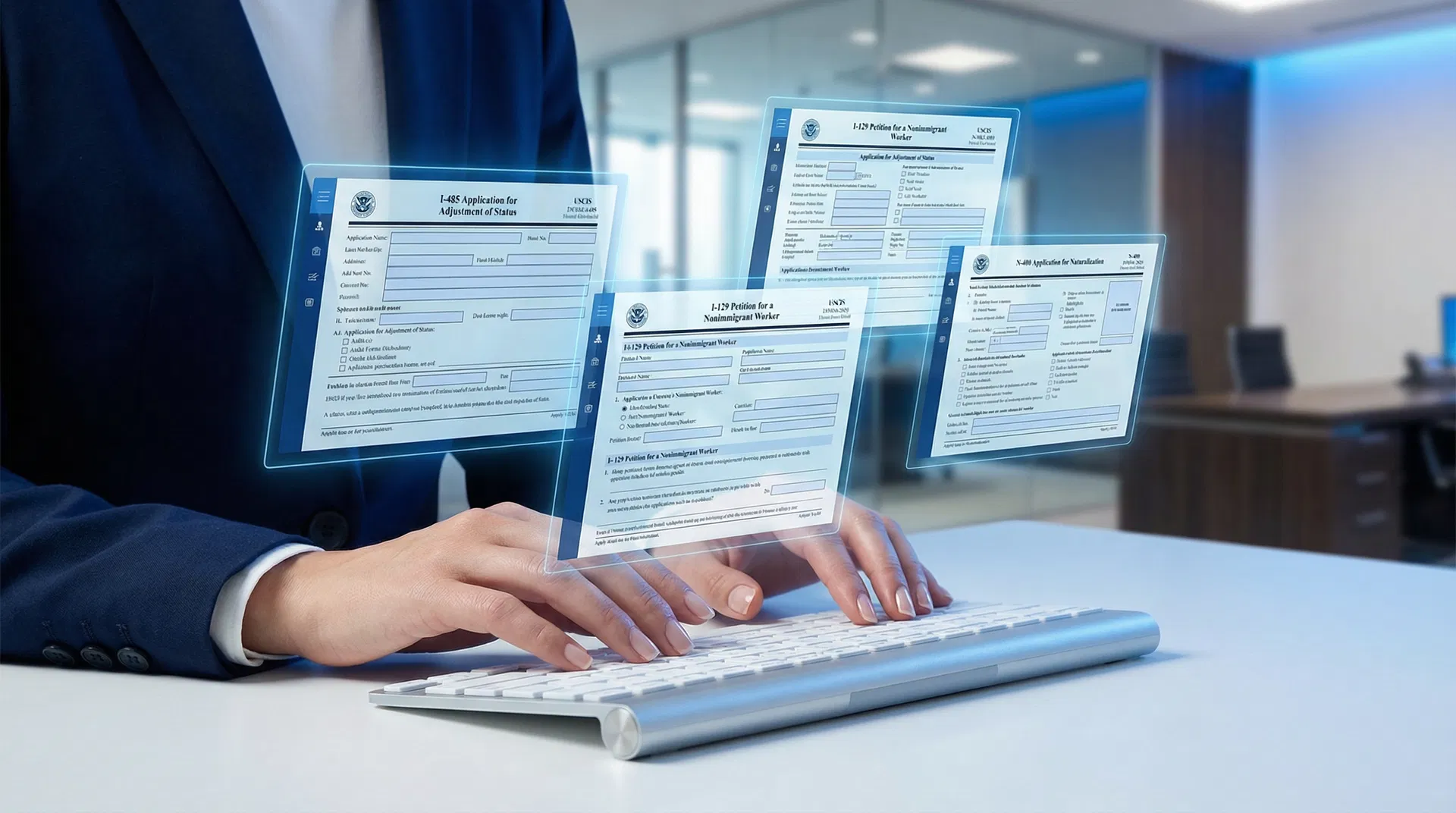
Document Automation
5 Ways Document Automation Reduces Filing Errors for Immigration Attorneys
January 22, 2026Read
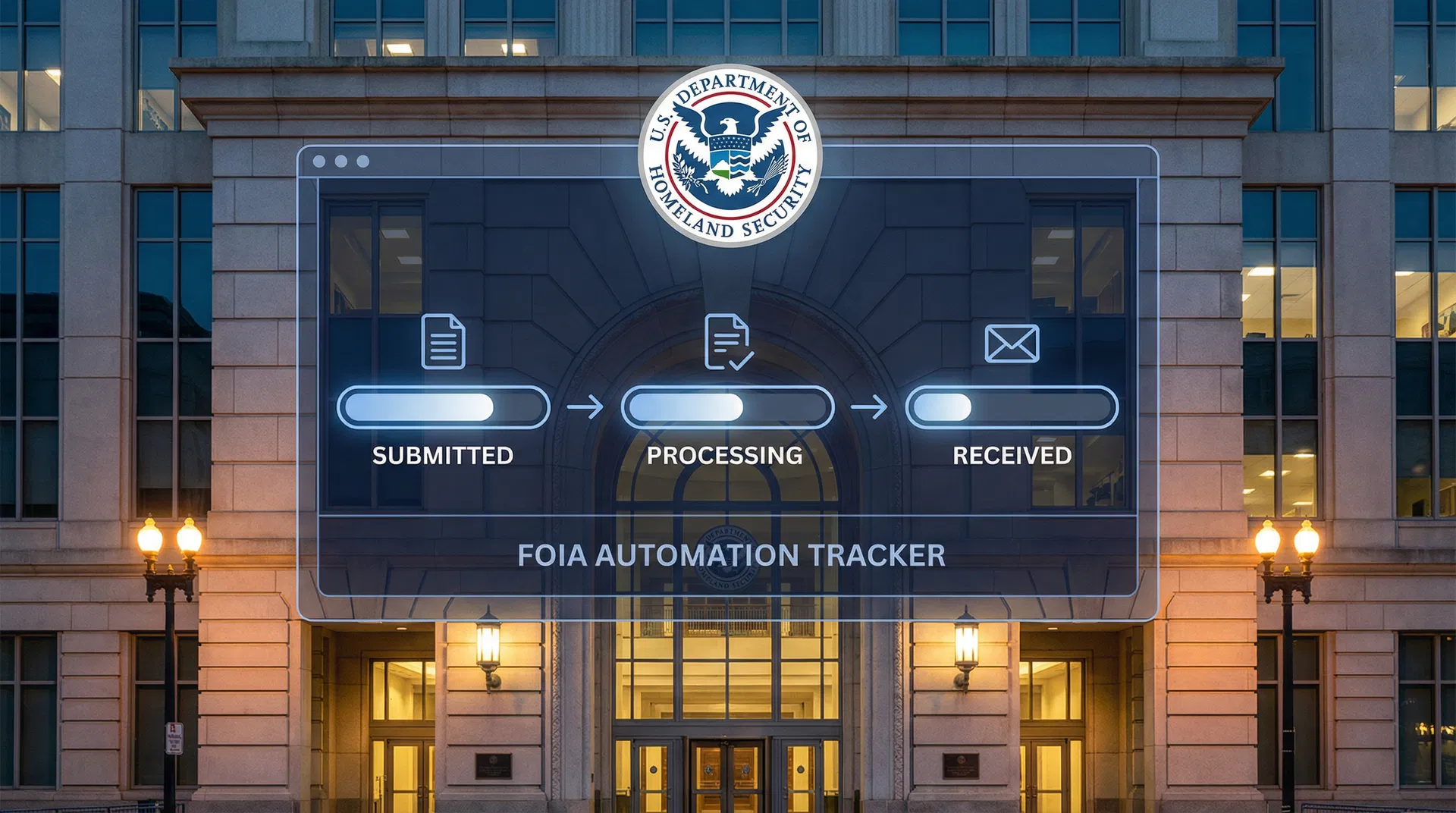
Immigration law firms frequently rely on Freedom of Information Act (FOIA) requests to obtain crucial documents from government agencies like USCIS, CBP, and ICE. These documents, often client A-files or other records, are vital for building strong cases, identifying potential issues, and ensuring due process. However, the traditional FOIA request process is notoriously time-consuming, labor-intensive, and prone to delays. From drafting requests to tracking responses and managing received documents, the manual burden can significantly impact a firm's efficiency and profitability.
Manually handling FOIA requests presents several significant challenges for immigration law firms:
These challenges underscore the critical need for more streamlined and automated solutions to manage the FOIA request lifecycle effectively. Immigration law firms that embrace automation can significantly reduce administrative burdens, accelerate case preparation, and ultimately improve client outcomes.
Modern legal technology offers powerful tools to transform the FOIA request process, moving it from a manual chore to an automated, efficient workflow. By integrating specialized software, firms can automate various stages of the FOIA cycle, from initial request generation to document intake and analysis.
USCIS FOIA automation can be applied to several critical areas:
Implementing FOIA request software not only saves time but also enhances accuracy and compliance, ensuring that no critical steps are missed and all necessary documentation is obtained promptly. For more insights into document automation, read our article on how document automation reduces filing errors.
Selecting the appropriate FOIA request software is crucial for successful implementation. Immigration law firms should look for solutions that offer comprehensive features tailored to their specific needs, focusing on ease of use, integration capabilities, and robust automation.
When evaluating FOIA automation solutions, consider the following features:
By carefully considering these features, immigration law firms can select a FOIA request software that not only streamlines their operations but also enhances their ability to serve clients effectively. The investment in such technology translates directly into improved efficiency, reduced costs, and better client outcomes. You might also find our guide on AI software for immigration lawyers helpful.
The landscape of immigration law is constantly evolving, and technology plays a pivotal role in helping firms adapt and thrive. Automating FOIA requests is not just about efficiency; it's about empowering legal professionals to focus on high-value tasks, strategic thinking, and client advocacy.
As AI and machine learning continue to advance, future FOIA request software may offer even more sophisticated capabilities, such as predictive analytics to estimate response times or AI-driven review of received documents to highlight key information automatically. Firms that embrace these technological advancements will be well-positioned to navigate the complexities of immigration law with greater agility and precision.
By taking these proactive steps, immigration law firms can successfully integrate FOIA automation into their practice, leading to significant operational improvements and a competitive edge.
For immigration law firms seeking to revolutionize their FOIA request process, LegistAI offers a comprehensive solution designed to enhance efficiency and accuracy. With FOIA Request Automation, LegistAI streamlines the entire cycle, from initial drafting to tracking and document management. Our platform integrates seamlessly with your existing workflows, providing features like customizable templates and real-time status updates. Discover how LegistAI can transform your firm's operations by visiting legistai.com/features today.